Perusta sinäkin oma Blogaaja.fi blogi ilmaiseksi >>
Lainaa.com

How an SEO Agency Can Improve Your Business

SEO is about more than adding keywords and publishing content. A good SEO agency looks at the wider picture, including technical issues, search intent, website content, competitors and business goals.

The article, ”What Can an SEO Agency Actually Do for a Business?”, explains how SEO agencies help businesses improve their visibility in search and attract more valuable organic traffic.

SEO Agency

1. Find Out What Is Holding Your Website Back

An SEO agency usually starts with an audit to identify problems affecting search performance. This can include technical SEO, poor internal linking, weak content, unclear search intent or strong competition.

Keyword research also helps identify searches that are relevant to the business. The focus should not just be on search volume, but on finding terms that can attract potential customers.

2. Improve Your Website and Content

SEO agencies can optimise service and product pages, update outdated content, improve page structure and strengthen internal links. Sometimes improving existing pages is more effective than constantly publishing new blogs.

Technical SEO is also important. Issues with indexing, redirects, crawlability, website structure or page performance can limit how well a site performs in search.

As search continues to evolve, content may also need to be adapted for AI-powered search and other changing search experiences.

3. Build Authority and Monitor Performance

An SEO agency may help improve website authority through relevant backlinks, digital PR and industry mentions. The focus should be on quality and relevance rather than simply gaining large numbers of links.

SEO performance should also be measured regularly. Rankings and traffic are useful, but qualified leads, enquiries, conversions and revenue provide a better picture of whether SEO is actually helping the business.

4. SEO Requires Ongoing Improvement

SEO is not a one-time task. Search behaviour, competitors, algorithms and business priorities can all change, so strategies need to be reviewed and adjusted over time.

A good SEO agency should provide a clear strategy, realistic expectations, transparent reporting and recommendations that connect directly to business goals. No agency can honestly guarantee a number one Google ranking or a fixed number of leads.
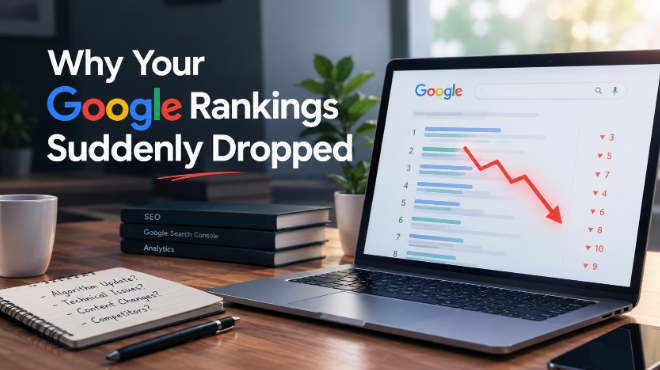
Why Your Google Rankings Suddenly Dropped

A drop in Google rankings can be worrying, especially when your website depends on organic traffic for leads, inquiries or sales. However, losing rankings does not automatically mean that Google has penalized your website.

The article, ” Why Has My Website Lost Google Rankings? ” , explains the common reasons rankings decline and how businesses can identify and address the underlying problem.


Why Has My Website Lost Google Rankings 1

Key Takeaways:

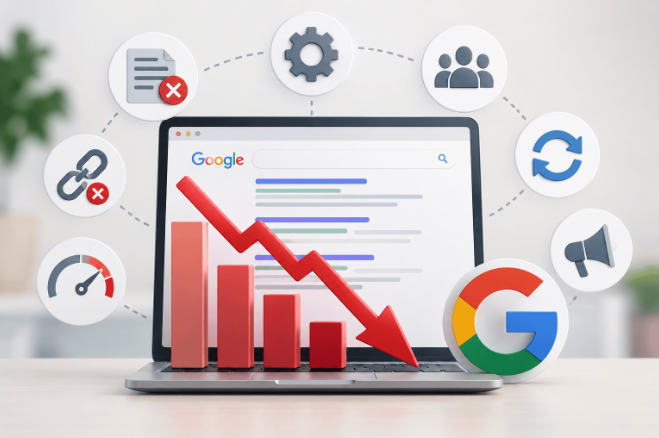
  • Algorithm changes: Google regularly updates how it evaluates websites, which can affect rankings even when nothing has changed on your site.
  • Stronger competitors: Your rankings can fall when competing websites publish better content, improve relevance or provide a stronger user experience.
  • Changing search intent: What users expect from a search can change, making previously useful content less relevant.
  • Technical SEO issues: Noindex tags, broken links, incorrect redirects, indexing problems and website changes can all cause ranking losses.
  • Lost links: Changes to backlinks or internal linking can reduce the authority and visibility of important pages.
  • Search results are changing: Features such as AI search results, Featured snippets, videos and local listings can reduce clicks even when rankings remain stable.

How Can You Find the Cause?

Start by comparing your website’s performance before and after the decline. Google Search Console can show changes in clicks, impressions, rankings, queries and landing pages, while Google Analytics can help identify where organic traffic has fallen.

It is also important to check recent website changes, such as redesigns, migrations, CMS updates, URL changes or indexing modifications. Comparing your affected pages with the current search results can also reveal whether competitors are better matching search intent.

How Can You Recover Lost Rankings?

Recovery starts with finding the actual cause rather than immediately changing everything on the website.

Review and improve outdated content, fix technical SEO problems, strengthen internal links and analyze competitors and current search results. Focus particularly on pages that generate leads, inquiries and sales.

Businesses can often resolve simple issues internally, but larger or site-wide ranking declines may require specialist SEO support and a detailed technical and content analysis.

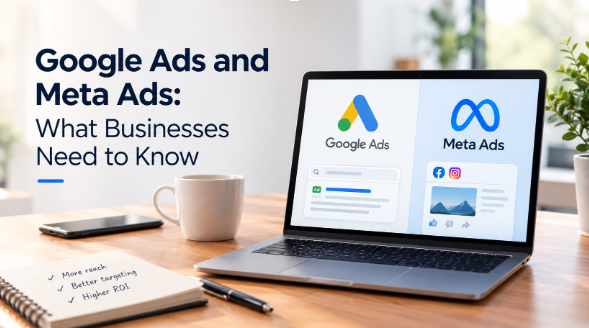
Google Ads and Meta Ads: What Businesses Need to Know

Choosing between Google Ads, Meta Ads or both depends on how customers discover and make decisions about a business. While using both platforms can expand reach, splitting the budget does not always lead to better results.

The article, ”Should Businesses Run Google Ads and Meta Ads Together?”, explains how each platform works, when businesses can benefit from using both and how to allocate advertising budgets effectively.

Key Takeaways:

  • Different purposes: Google Ads captures people actively searching, while Meta Ads helps create awareness and introduce products or services.


  • They can work together: Meta can build awareness and support retargeting, while Google can capture customers when they are ready to search.


  • Budget matters: Businesses with limited budgets may be better off focusing on one platform rather than spreading spend too thinly.


  • Focus on results: Cost per lead, conversions, revenue, return on ad spend and lead quality are more useful than clicks and impressions alone.


  • No fixed budget split: A 50/50 split is not right for every business. The budget should reflect performance, customer behaviour and profitability.

Google Ads

When Should Businesses Use Both?

Using Google and Meta together can be useful when customers need several interactions before making a purchase. Someone might discover a business on Instagram, visit its website and later search for the service on Google.

However, businesses with strong search demand or limited budgets may benefit from starting with one platform and expanding once there is enough data and budget.

Make Your Advertising Budget Work Harder

The right strategy starts with understanding your audience, customer journey and business goals. Google and Meta should each have a clear role rather than being used simply because they are popular platforms.

Businesses struggling with campaign performance, tracking or budget allocation may also benefit from professional paid advertising support.

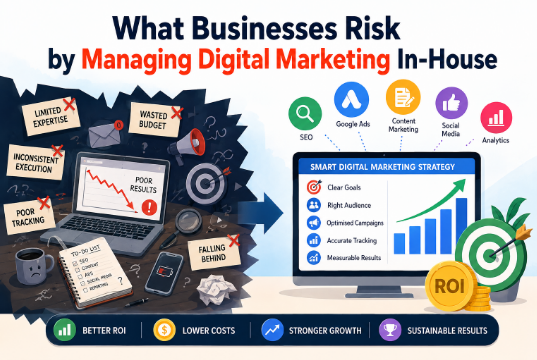
What Businesses Risk by Managing Digital Marketing In-House

Managing digital marketing internally can seem like a cost-effective option, but it comes with its own challenges. SEO, Google Ads, content marketing, social media, analytics and conversion optimisation all require different skills and ongoing attention.

The article, ”What Are the Risks of Managing Digital Marketing Without an Agency?”, explains the common risks businesses face when managing digital marketing without specialist support and how these challenges can affect growth, marketing performance and return on investment.

Key Takeaways:

  • Wasted marketing budget: Poor targeting, weak campaigns and ineffective landing pages can reduce marketing ROI.
  • Limited expertise: Digital marketing covers multiple specialist areas, making it difficult for one person or small team to manage everything effectively.
  • Inconsistent execution: Delayed content, neglected SEO and campaigns that are not regularly optimised can limit long-term growth.
  • Poor tracking: Measuring clicks and leads without connecting them to revenue makes it difficult to understand true marketing performance.
  • Falling behind: Search, advertising platforms and AI-driven customer journeys are constantly changing, making it important to keep strategies up to date.

How In-House Marketing Can Affect Business Growth

When digital marketing is not managed effectively, businesses may experience:

  • Slower lead generation: Poor targeting and weak SEO can make it harder to capture existing customer demand.
  • Higher acquisition costs: Inefficient campaigns and low conversion rates can increase the cost of gaining new customers.
  • Missed opportunities: Businesses may overlook new trends, customer segments, search opportunities or changes in digital behaviour.
  • Less time for core activities: Employees may spend valuable time managing campaigns, content and analytics instead of focusing on sales, customers and business operations.

The real cost of managing digital marketing in-house is therefore not limited to salaries or advertising spend. It can also include staff time, software, training and missed growth opportunities.

Is Hiring an Agency Always Better?

Not necessarily. In-house marketing can work well when a business has experienced specialists, sufficient resources, reliable analytics and a clear strategy.

For some businesses, outsourcing specific areas to a digital marketing agency may be more practical. Others may benefit from a hybrid approach, where the internal team manages the brand and overall strategy while external specialists provide support with areas such as SEO, PPC, content or analytics.

The right approach depends on the business’s budget, growth objectives, internal expertise, marketing channels and campaign complexity.

Reduce The Risks with The Right Strategy

Businesses do not necessarily need to outsource all their digital marketing. The priority should be ensuring that the right expertise, processes and performance measures are in place.

Regular campaign optimisation, accurate conversion tracking, revenue-focused reporting and keeping up with changes in search and digital marketing can help businesses make better decisions.

Ultimately, managing digital marketing in-house is not inherently risky. The greater risk is trying to manage it without the expertise, resources and strategic direction needed to achieve consistent results.

Read the full article at: Digitrix Media Limited

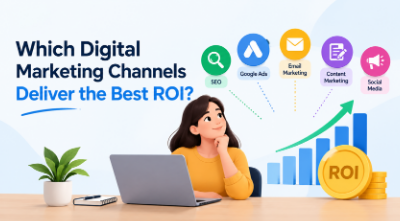
Which Digital Marketing Channels Deliver the Best ROI?

Wondering which digital marketing channel gives businesses the best return on investment? There is no single answer. SEO, Google Ads, email marketing, content marketing and social media can all deliver strong results, depending on the business, target audience, budget and customer journey.

The article, ”Which Digital Marketing Channel Gives Businesses the Best ROI?”, explains how businesses can choose the right channels based on their goals and measure whether their marketing investment is actually generating profitable growth.

Key takeaways:

  • SEO: Best for long-term organic growth and consistent search visibility.
  • Google Ads: Ideal for generating quick leads from high-intent customers.
  • Email Marketing: Strong for customer retention, repeat purchases and lead nurturing.
  • Content Marketing: Helps build authority, trust and supports SEO over time.
  • Social Media: Useful for brand awareness, demand generation and customer engagement.

Rather than focusing only on clicks or cost per lead, businesses should track revenue, conversion rates, customer acquisition cost, ROAS and customer lifetime value to understand true marketing ROI.

Choose channels based on your business goals

Different marketing channels are suited to different objectives:

  • Immediate leads: Google Ads
  • Organic traffic: SEO
  • Repeat purchases: Email Marketing
  • Brand awareness: Social Media
  • Building authority: SEO + Content Marketing
  • High-intent customers: SEO + Google Ads
  • Local enquiries: Local SEO + Google Ads

Businesses should also consider customer behaviour and the length of the sales cycle. Customers who search before buying may respond well to SEO and Google Ads, while visually driven products may benefit more from social media. For complex or high-value purchases, SEO, content and remarketing can help customers move through a longer buying journey.

Measure profitability, not just traffic

A channel with a low cost per lead is not necessarily the most profitable. Businesses should look beyond clicks, impressions and engagement and track customer acquisition cost, conversion rate, ROAS, revenue and customer lifetime value.

Poor ROI does not always mean the marketing channel is wrong. Weak targeting, unclear messaging, poor landing pages, inaccurate conversion tracking or ineffective follow-ups can also affect performance.

The best approach is often to combine channels. Google Ads can capture immediate demand, while SEO and content build long-term visibility. Email marketing can then help retain and re-engage customers.

Ultimately, the best digital marketing channel is the one that consistently attracts the right customers at a profitable cost. Read the full article at: Digitrix Media Limited

Google Ads vs. Meta Ads: Which Should Your Business Use?

Choosing between Google Ads and Meta Ads is not simply about finding the platform with cheaper clicks or a larger audience. Both platforms serve different purposes and work best at different stages of the customer journey.

Here are four important takeaways.

1. Google Ads Captures Existing Demand

Google Ads is particularly effective when customers already know what they need and are actively looking for a solution.

Search, Shopping, Local and Performance Max campaigns can help businesses reach users with stronger purchase or enquiry intent. This makes Google Ads a strong option for lead generation, e-commerce sales and services where customers are ready to take action.

The key advantage is intent. Someone searching for a service is often further along in their buying journey than someone who simply comes across an advert while scrolling social media.

2. Meta Ads Helps Create Awareness and Interest

Meta Ads takes a different approach. Instead of waiting for customers to search, businesses can reach relevant audiences based on their interests, behaviours, demographics and previous interactions.

Image ads, videos, Reels, Stories, Carousels and Lead Ads can help businesses introduce products, promote offers and generate interest.

Meta can be particularly useful for:

  • Building brand awareness
  • Launching new products or services
  • Reaching new audiences
  • Promoting events and offers
  • Generating enquiries
  • Retargeting potential customers

It is often a strong choice when visual content and audience discovery play an important role in the buying process.

3. The Best Platform Depends on Your Business

There is no universal winner between Google Ads and Meta Ads. The right choice depends on how your customers discover, research and purchase your product or service.

Consider factors such as:

  • Whether customers are already searching for your offering
  • How long your sales cycle is
  • Whether your product relies on visual discovery
  • Your average customer value
  • Your campaign objectives
  • Your available advertising budget

For example, a customer searching for an emergency electrician is showing clear intent, making Google Ads a natural fit. A new property development, fitness service or product launch may benefit from Meta Ads to build awareness before customers actively start searching.

For many businesses, using both platforms can be more effective than choosing just one.

4. Focus on Business Results, Not Just Advertising Costs

A cheaper click does not automatically mean a better campaign.

Advertising performance should be measured by the quality of leads, conversions, customer acquisition cost, return on ad spend and revenue generated.

A simple approach is to use Meta Ads to build awareness and generate interest, then use Google Ads to capture customers who are actively searching. Remarketing on both platforms can help reconnect with people who have already interacted with the business.

The goal is to create a connected customer journey rather than treating Google and Meta as completely separate channels.

Read the complete guide here:

Google Ads vs Meta Ads: Which Advertising Platform Is Better for Your Business?

Google Rankings Are Changing: What Businesses Need to Know About AI Search

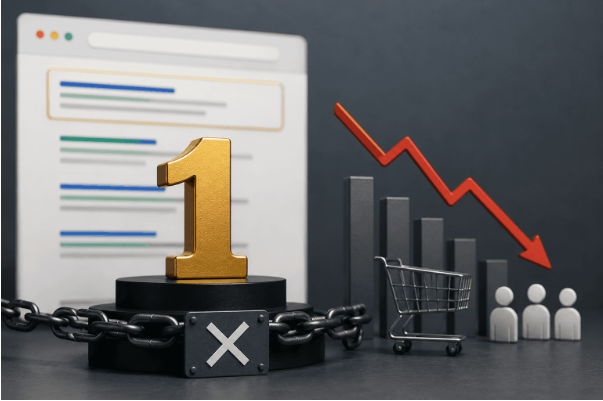
For years, SEO success was measured by one thing: ranking number one on Google. But in 2026, search behaviour has changed.

With Google AI Overviews, ChatGPT and other AI-powered search platforms providing direct answers, users no longer need to visit a website to find information. This means ranking highly is still valuable, but it does not always guarantee clicks, leads or visibility.

Google Rankings

Here are four important takeaways.

1. Ranking Number One Does Not Always Mean More Traffic

A top Google ranking can still be valuable, but AI-generated answers, featured snippets, knowledge panels and local results can answer a user’s question before they click on your website.

This means businesses need to look beyond rankings and focus on being visible within the answers users see.

2. Brand Visibility Matters More Than Ever

Customers are now discovering businesses across Google, AI platforms, YouTube, social media, review websites and industry publications.

Your competitors may even be mentioned by AI tools despite ranking below you on Google. Building brand authority, earning trusted mentions and maintaining a consistent online presence can therefore be just as important as achieving a high ranking.

3. Content Needs to Work for People and AI

Modern search is becoming more conversational. Users are asking detailed questions rather than simply entering short keywords.

Businesses should create useful, question-led content with clear answers, strong topical depth, genuine expertise and supporting evidence. The aim is not simply to rank but to become a trusted source that search engines and AI platforms can understand and reference.

4. Measure More Than Keyword Rankings

Keyword positions remain important, but they should not be your only SEO KPI. Businesses should also monitor:

  • Organic traffic
  • Conversion rates
  • Branded search growth
  • AI-generated mentions and citations
  • Visibility for conversational searches
  • Referral traffic from AI platforms
  • Brand mentions across trusted websites

These metrics provide a clearer picture of whether your brand is actually being discovered and trusted.

Final Thoughts

Ranking number one on Google is still an achievement, but it is no longer the finish line.

Search is becoming more AI-driven, conversational and spread across multiple platforms. Businesses that focus only on rankings risk missing opportunities to appear where customers are actually researching and making decisions.

The future of SEO is about more than clicks. It is about building visibility, authority and trust across the modern search journey.

Read the complete guide here:
Why Being Ranked Number One on Google May No Longer Be Enough

Why Brands are Choosing Content Creators Over Traditional Influencers

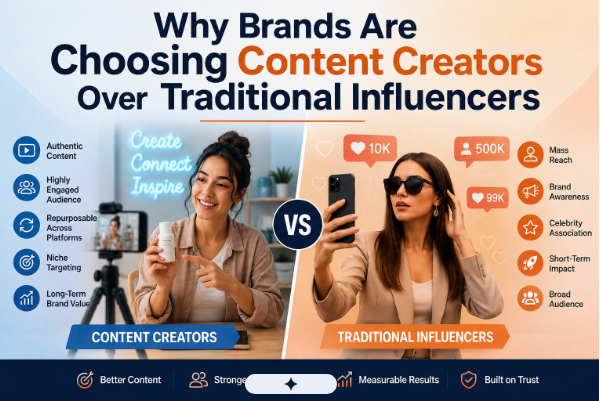
For years, influencer marketing focused on follower count. Today, brands are looking for more than reach. They want partners who can create authentic, engaging content that builds trust, connects with the right audience, and can be reused across multiple marketing channels.

Content Creators

Here are five key takeaways.

1. Content Matters as Much as Reach

Creators produce platform-native content that feels natural and keeps audiences engaged. Their value goes beyond simply promoting a product to an existing following.

2. Authenticity Builds Trust

Consumers are more likely to respond to genuine product demonstrations and real experiences than highly polished advertisements. Relevant creator partnerships help brands appear more credible.

3. Creator Content Delivers Long-Term Value

Unlike a single sponsored post, creator content can be repurposed across paid ads, social media, websites, email campaigns, and landing pages, giving brands a greater return on investment.

4. Niche Audiences Often Deliver Better Results

A creator with a smaller but highly engaged audience can outperform a large influencer when their content closely matches the brand’s industry or product.

5. The Best Strategy Often Combines Both

Influencers remain valuable for large-scale awareness and product launches, while creators excel at storytelling, education, and building long-term customer trust.

Final Thoughts

Creators are becoming an essential part of modern marketing because they offer more than audience reach. They provide authentic content, stronger engagement, and assets that support campaigns long after they are published. Brands that choose partners based on campaign goals, rather than follower count alone, will achieve better long-term results.

Read the complete guide here:
Why Creators Are Becoming More Important to Brands Than Traditional Influencers